Hospital Information System: The Future of Digital Healthcare
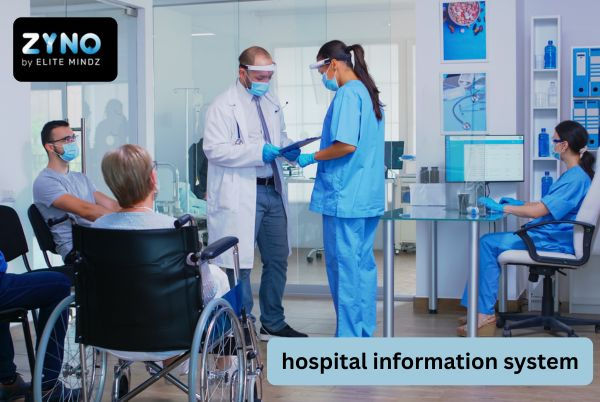
A hospital information system is a comprehensive, integrated solution designed to manage the administrative, financial, and clinical operations of healthcare organizations. In today’s digital era, hospitals and clinics rely heavily on advanced technologies to improve patient care, streamline workflows, and ensure accurate data management. This is where a robust hospital information management system plays a crucial role.
What is a Hospital Information System?
A hospital information system (HIS) is a centralized platform that connects different departments within a healthcare facility. It enables seamless communication between doctors, nurses, administrative staff, and patients. By integrating various modules such as billing, patient records, and appointment scheduling, a modern hospital management system ensures efficiency and transparency in operations.
Many healthcare providers are now adopting hims software to replace traditional manual processes. This shift not only reduces paperwork but also minimizes errors, ensuring better patient outcomes.
Key Features of Hospital Information Systems
A powerful hospital management software includes multiple features that simplify daily operations:
Patient Registration & Records: A built-in patient management system helps store and manage patient data securely.
Billing & Accounts: Advanced hospital billing software automates invoicing, insurance claims, and financial reporting.
Appointment Scheduling: Simplifies doctor-patient interactions by managing bookings efficiently.
Inventory Management: Tracks medical supplies and reduces wastage.
Electronic Medical Records (EMR): Ensures accurate and accessible patient history.
These features collectively form a reliable health management information system, improving both clinical and administrative performance.
Importance of Hospital Information Management System
The role of a hospital information management system is vital in modern healthcare. It enhances operational efficiency by automating repetitive tasks and providing real-time data access. Hospitals can make faster decisions, reduce patient waiting time, and improve overall service quality.
Additionally, a well-implemented hospital software ensures compliance with healthcare regulations and data security standards. This is especially important as patient data confidentiality is a top priority.
Benefits of Using HIMS Software
Implementing hims software offers numerous advantages:
1. Improved Patient Care
A smart patient management software allows doctors to access patient history instantly, leading to better diagnosis and treatment.
2. Efficient Billing Process
With integrated hospital billing software, hospitals can generate accurate bills, process insurance claims quickly, and maintain financial transparency.
3. Enhanced Workflow Automation
A modern hospital management system automates tasks like appointment scheduling, report generation, and record management, saving time and effort.
4. Data Accuracy & Security
A centralized health management information system reduces manual errors and ensures data is stored securely.
5. Better Resource Management
From staff allocation to inventory tracking, a hospital management software optimizes resource utilization.
Role of Patient Management System in Healthcare
A patient management system is a core component of any hospital information system. It helps in maintaining patient records, tracking medical history, and managing appointments. Hospitals and clinics use advanced patient management software to ensure seamless patient experiences.
This system not only improves efficiency but also enhances patient satisfaction by reducing waiting times and providing quick access to information.
Hospital Billing Software and Financial Management
Managing finances is a critical aspect of healthcare operations. A reliable hospital billing software ensures accurate billing, reduces errors, and simplifies insurance processing.
For smaller healthcare setups, clinic billing software offers similar functionalities tailored to clinics. It helps manage invoices, track payments, and generate financial reports, making it an essential tool for efficient operations.
Healthcare Software Development Company’s Role
A professional healthcare software development company plays a key role in designing and implementing customized solutions for hospitals and clinics. These companies develop scalable and secure hospital software tailored to the specific needs of healthcare providers.
They ensure that the system integrates smoothly with existing workflows and meets industry standards. Choosing the right development partner is crucial for successful digital transformation in healthcare.
Hospital Management and Digital Transformation
Modern hospital Management is no longer limited to manual processes. Digital transformation has revolutionized how healthcare facilities operate. By adopting advanced hospital management software, hospitals can improve efficiency, reduce costs, and enhance patient care.
Similarly, smaller practices benefit from Clinic Management Software, which offers features like appointment scheduling, billing, and patient record management in a compact system.
Future of Hospital Information Systems
The future of the hospital information system lies in emerging technologies such as artificial intelligence, cloud computing, and data analytics. These innovations will further enhance the capabilities of hims software, making healthcare more efficient and patient-centric.
Cloud-based hospital management systems are gaining popularity due to their scalability and cost-effectiveness. They allow healthcare providers to access data anytime, anywhere, ensuring better decision-making.
Conclusion
A hospital information system is an essential tool for modern healthcare organizations. It integrates various functions into a single platform, improving efficiency, accuracy, and patient care. From patient management systems to hospital billing software, every component plays a vital role in streamlining operations.
As technology continues to evolve, investing in a reliable hospital information management system is no longer optional—it is a necessity. Whether it’s a large hospital or a small clinic using Clinic Management Software, digital solutions are transforming the healthcare industry for the better.


Comments